Not sure whether to buy a fully electric, battery-powered electric vehicle yet?
You’re not alone. Figures just released show a clear move away from conventional petrol- and diesel-powered vehicles in the Australian market.
But buyers are making a B-line to towards hybrids and plug-in hybrids, rather than fully-electric vehicles — although BEVs continue to gain traction.
FCAI’s Tony Weber says hybrids, especially plug-in hybrids or PHEVs as they are known the deliver the benefits of electric travel for daily use while removing range concerns
It’s a win-win-win for sellers, buyers and the environment.
Part petrol and part electric, PHEVs have a small electric battery and can operate on power alone, usually for a distance of up to 100km.
After that, they can either be recharged or will continue to operate as a typical hybrid, so there’s no possibility of being stranded.
PHEVs are designed to provide flexibility, allowing them to operate efficiently in various driving conditions, whether the battery is charged or depleted.
They are however relatively expensive in terms of for what you get, compared to a standard hybrid.
Australia recorded 97,037 new vehicle sales in November, albeit 2.1 per cent down on the same month last year.
Across passenger, SUV and light commercial segments, PHEV sales reached 4768 for the month — up 83.3 per cent on November, 2024.
Year to date, PHEV sales have surged 130.6 per cent to 47,565 units as more models enter the market and consumer awareness increases.
Battery electric vehicles (BEVs) from all sources accounted for 9.1 per cent of sales in November, up from 6.5 per cent in 2024.
Petrol vehicles meanwhile continued their downward slide, with overall petrol sales falling 18.1 per cent in November — or 9.5 per cent year to date.
Mr Weber, the Federal Chamber of Automotive Industries (FCAI) chief executive, said the results point to a sustained shift in buyer priorities.
“Petrol’s decline is part of a long-term global market transition,” he said.
“We are seeing strong interest in hybrid and plug-in hybrid vehicles, and this trend will only accelerate as more models arrive.”
“Consumers are looking for flexible, low-emission choices and brands are meeting that demand.”
Battery-electric vehicles (BEVs) now represent 8.2 per cent of the market year to date, compared to 7.4 per cent for the same period last year.
“The choice of BEVs provided by manufacturers is growing, with 110 models in the market in 2025,” Mr Weber said.
“We encourage governments to continue to invest in recharging infrastructure to support growth in consumer confidence in this new technology.”
Toyota was once again the market leader with sales of 19,787 vehicles during November, followed by Ford (7407), Mazda (6979), Hyundai (6707) and Kia (6510).
Top models were the Toyota RAV4 (6390), Ford Ranger (4673), Toyota HiLux (3418), Chery Tiggo 4 Pro (2287) and Isuzu Ute D-Max (2119).
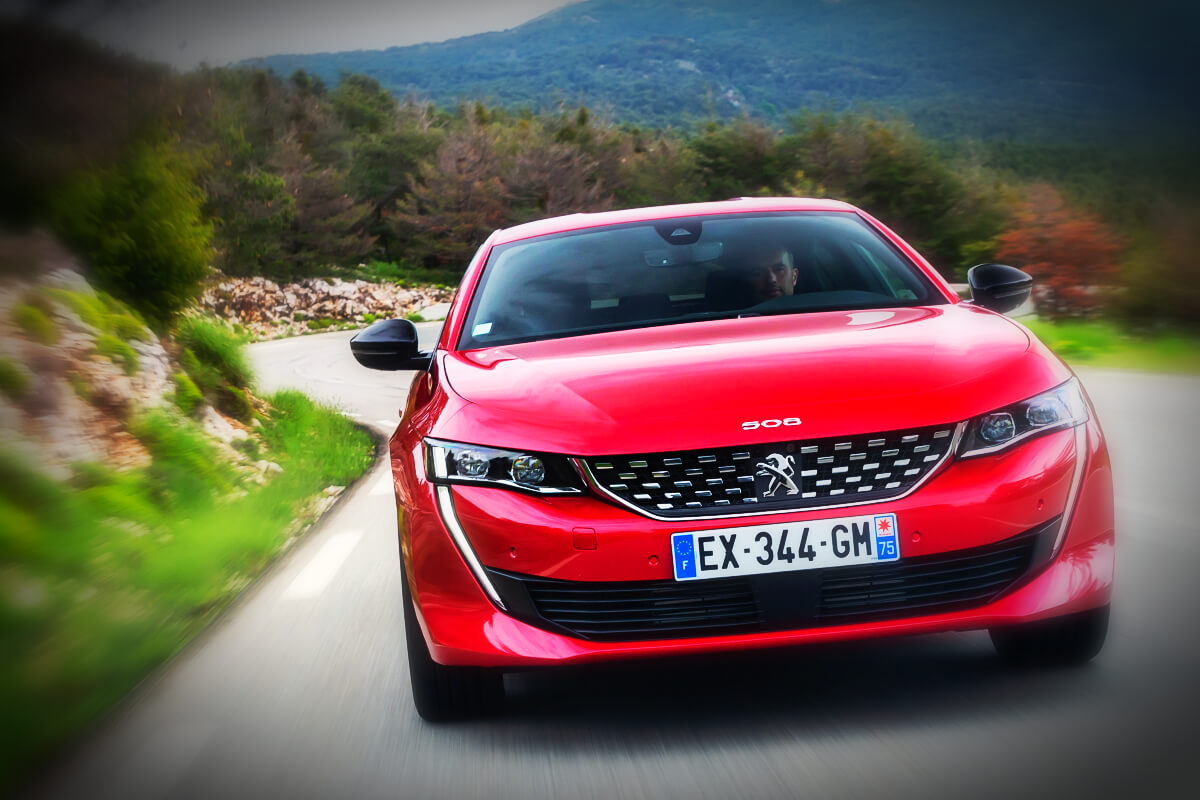
Peugeot 508 GT PHEV Sportswagon